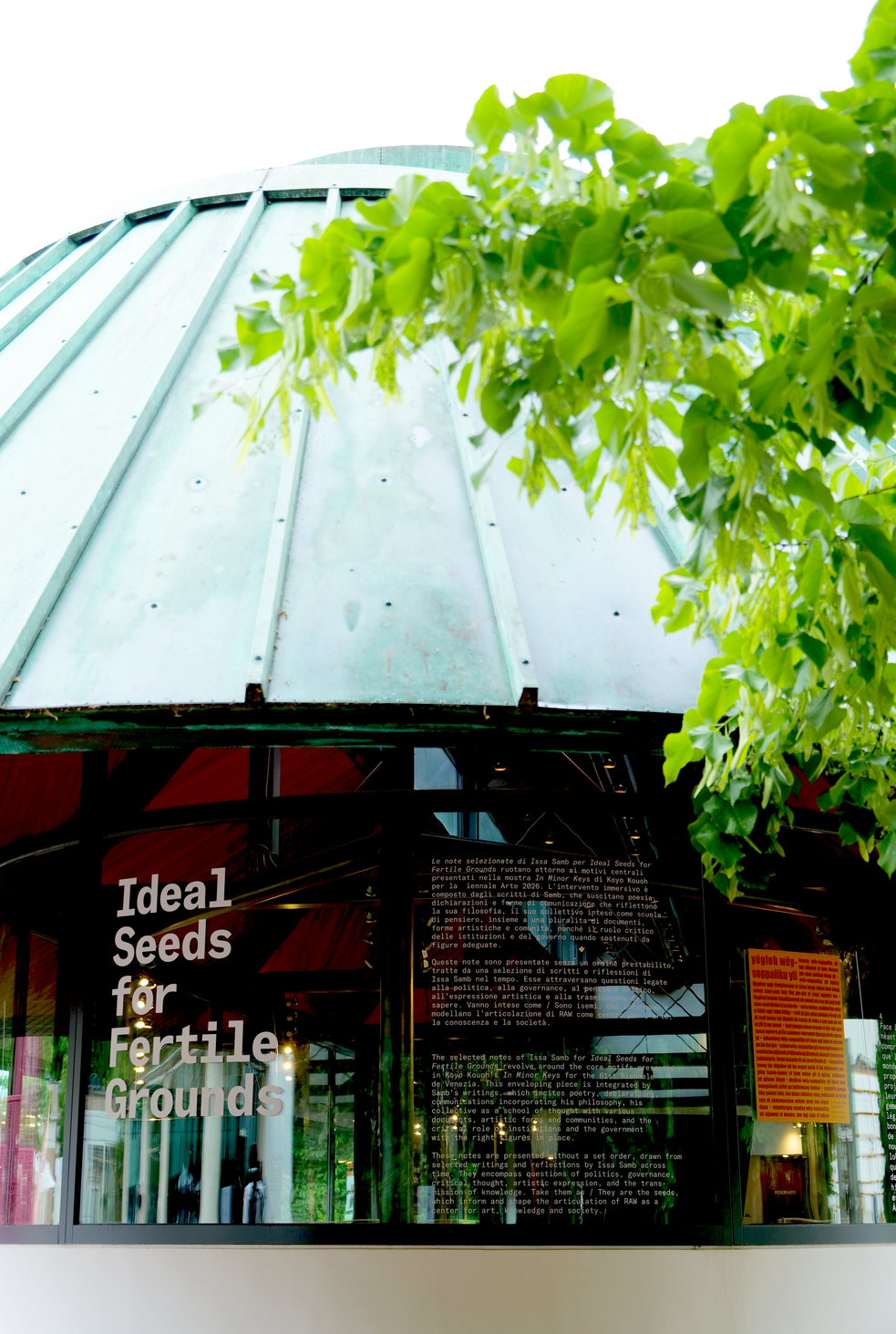
Ideal Seeds for Fertile Grounds
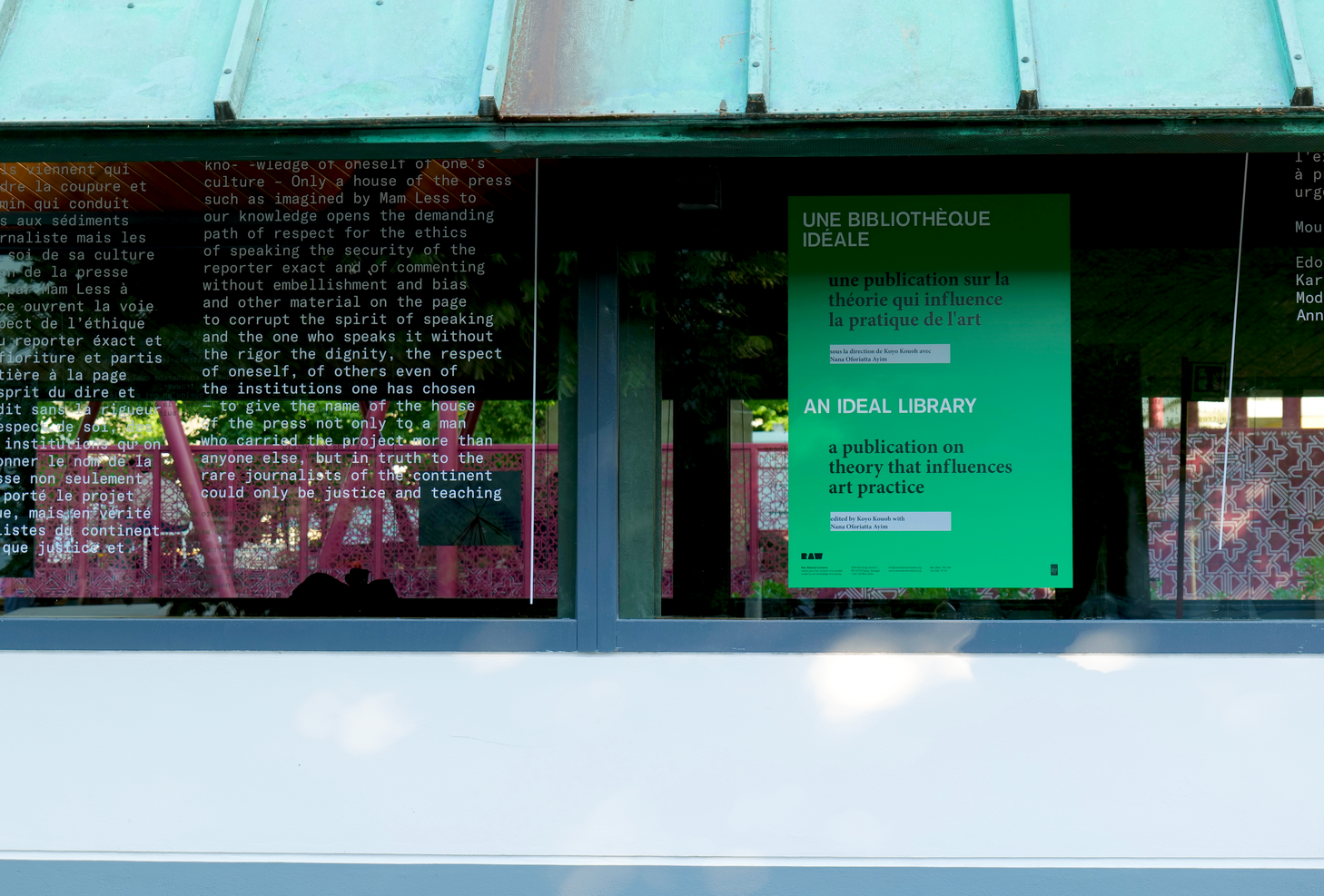
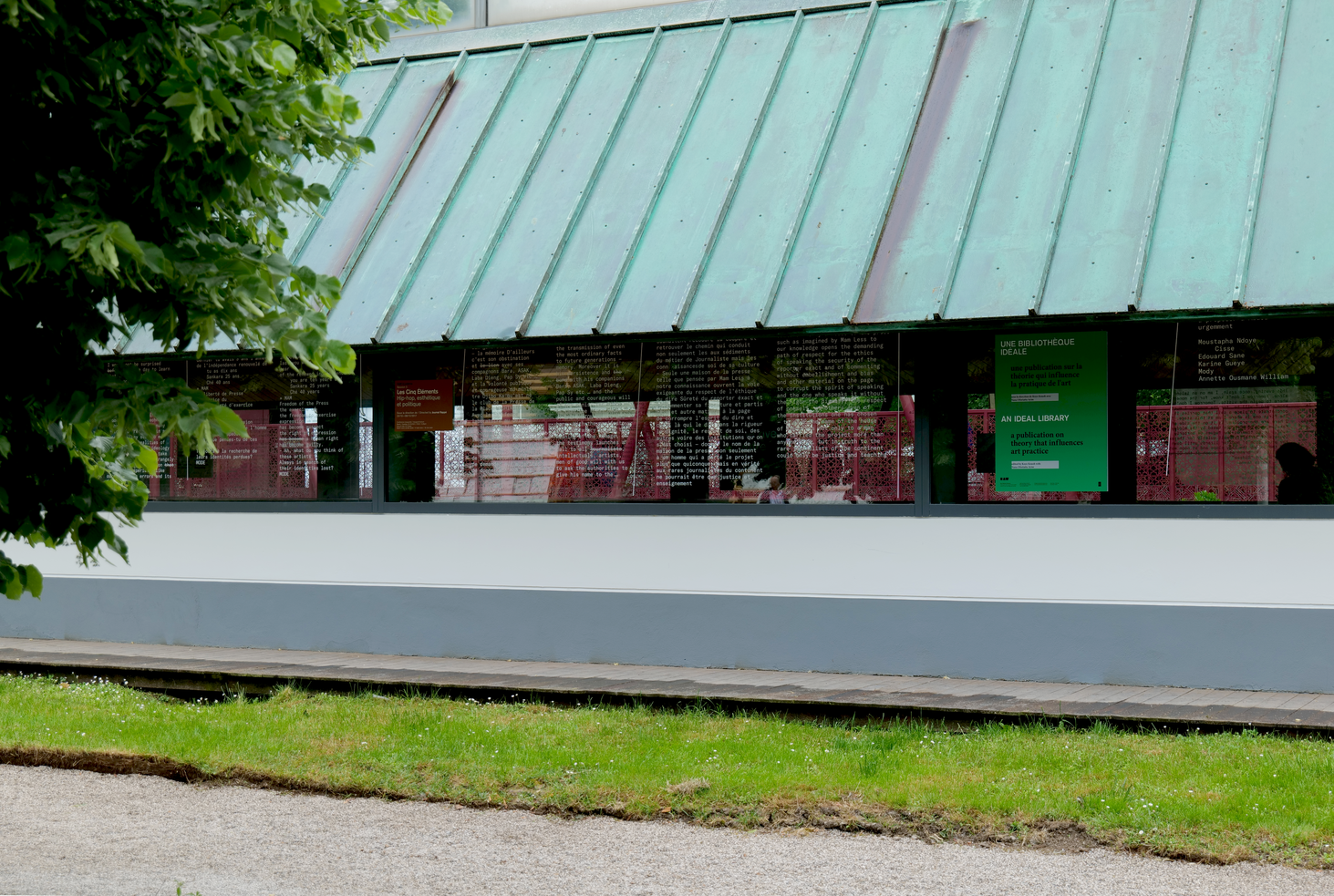
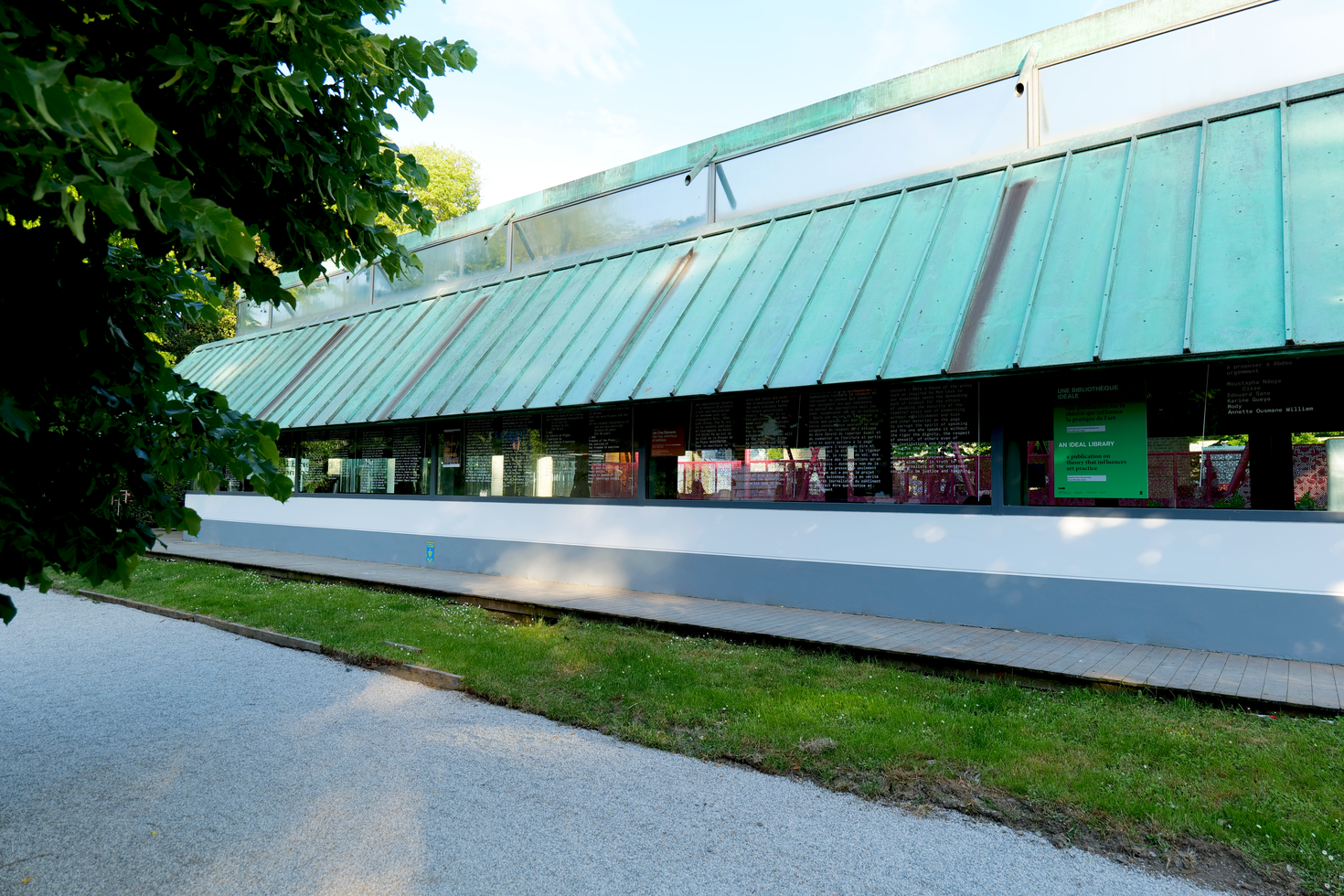
An Ideal Library is the very first publication published by RAW Material Company, following the opening of the library in 2011, a space to develop critical and theoretical debate around artistic practice. Throughout RAW’s existence, our publications have served as checkpoints. They mark moments where we consolidate our thinking, clarify the questions driving our work, and make that thinking public. This is most evident in our core pillars: Condition Report, which captures the questions emerging from our symposiums, and Breathing Out Of School, which gathers reflections shaped across the editions of RAW Académie.
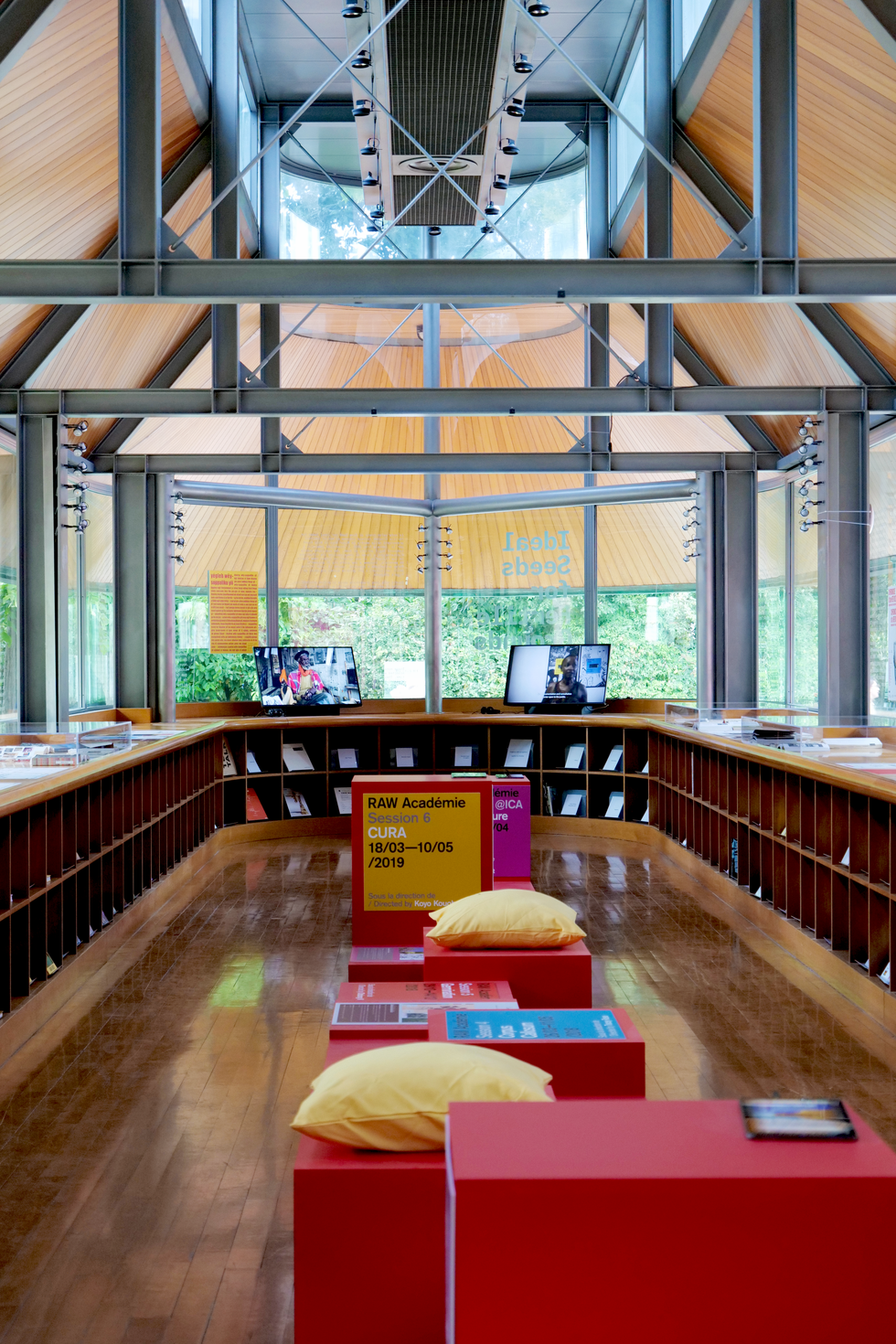
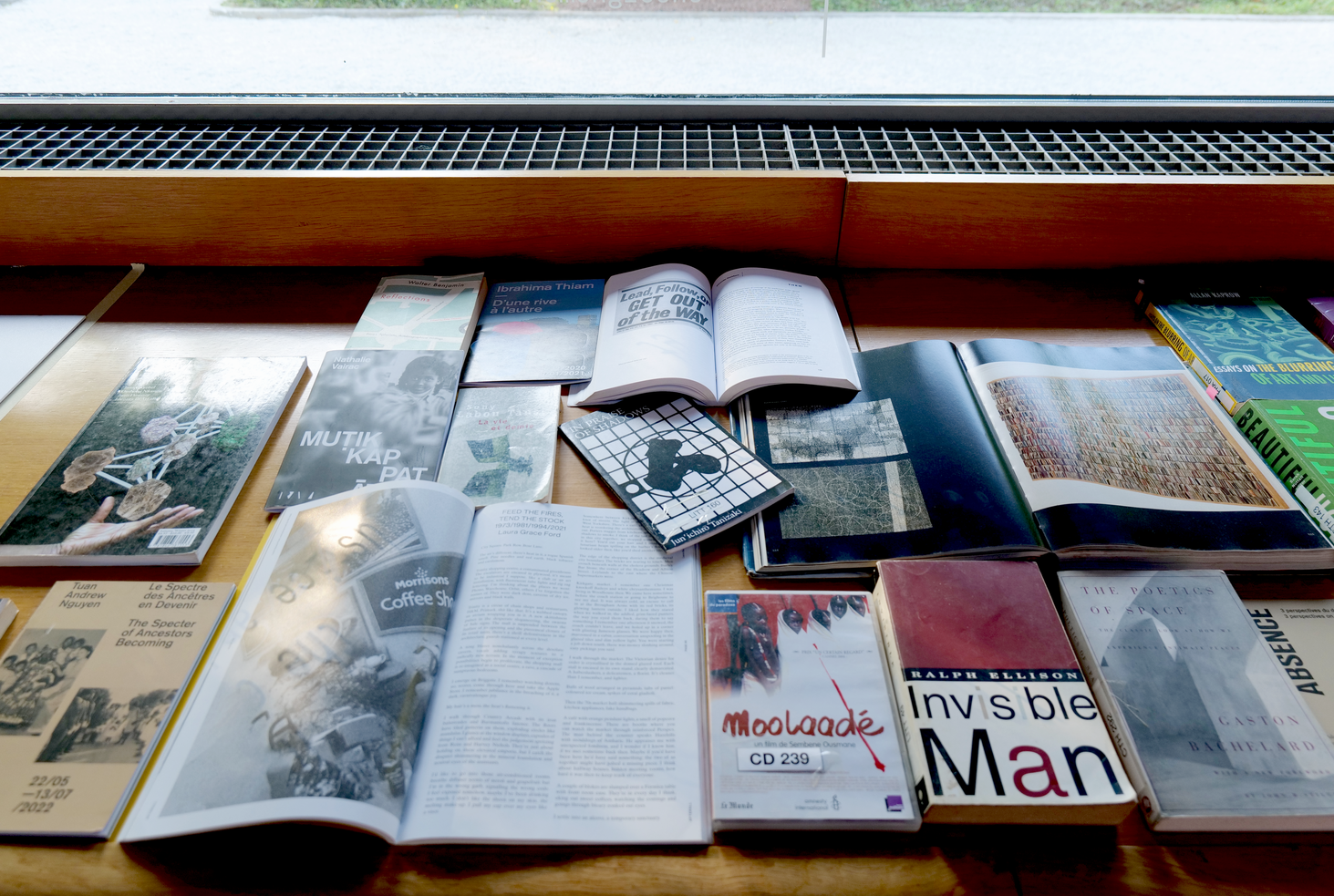
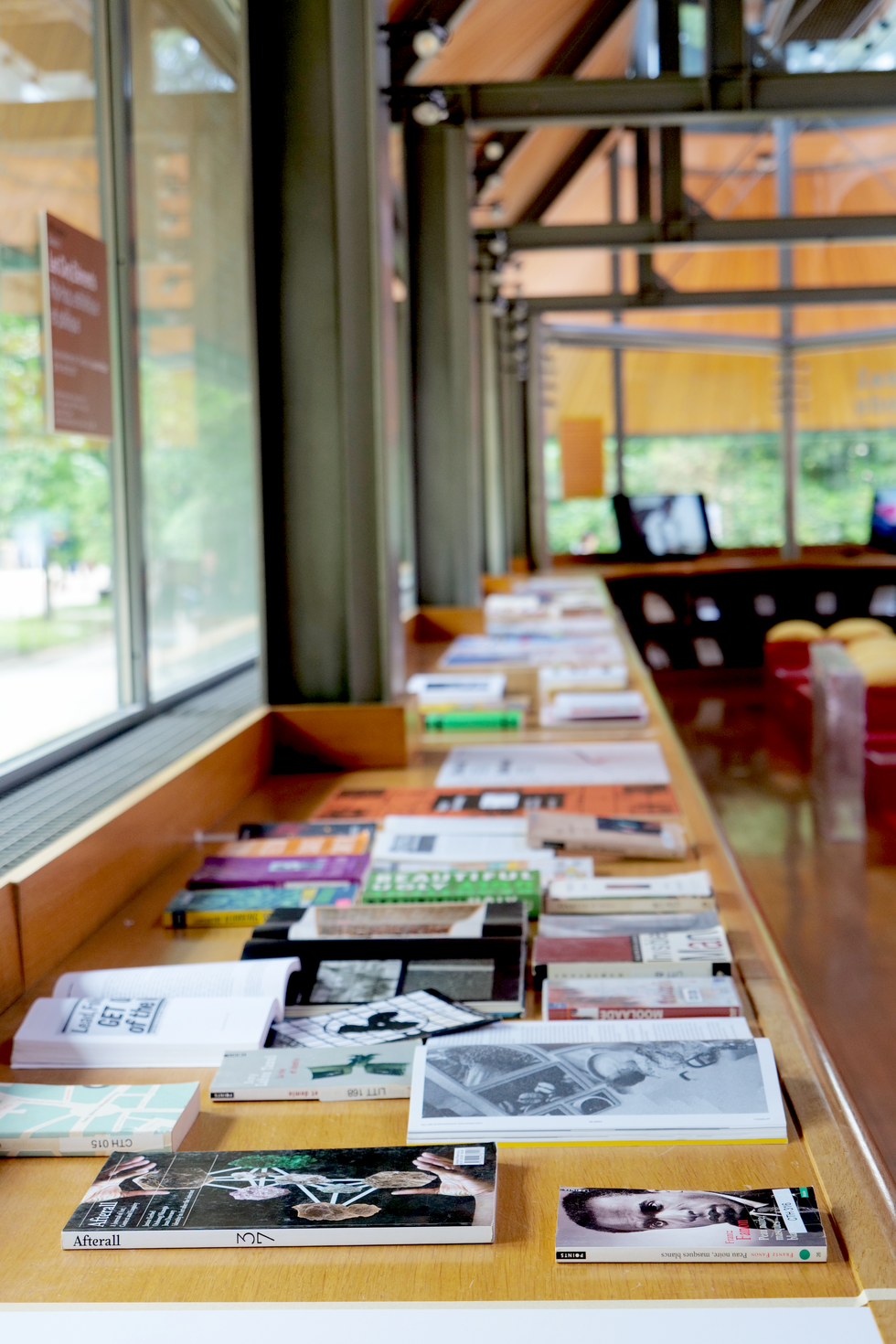
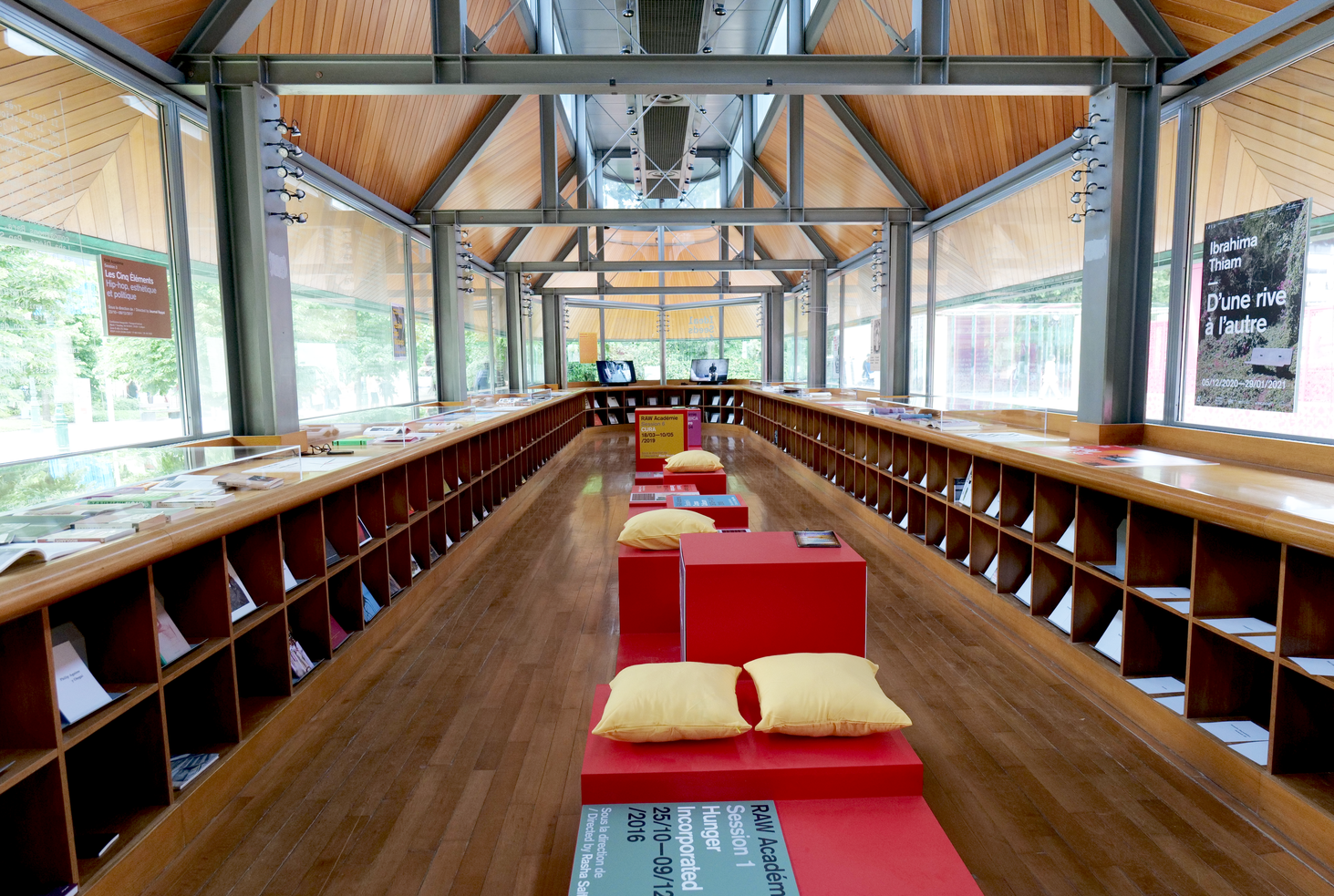
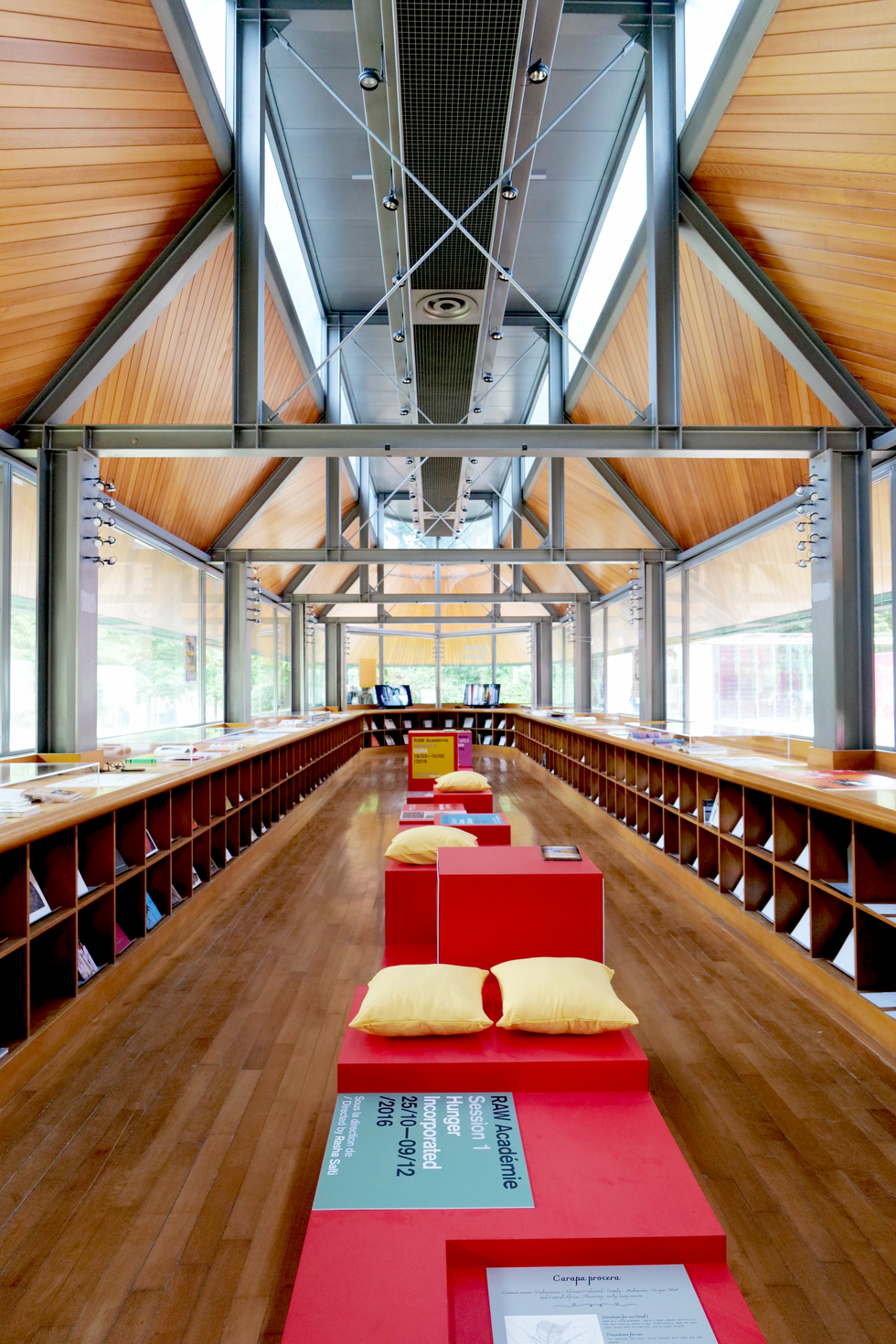
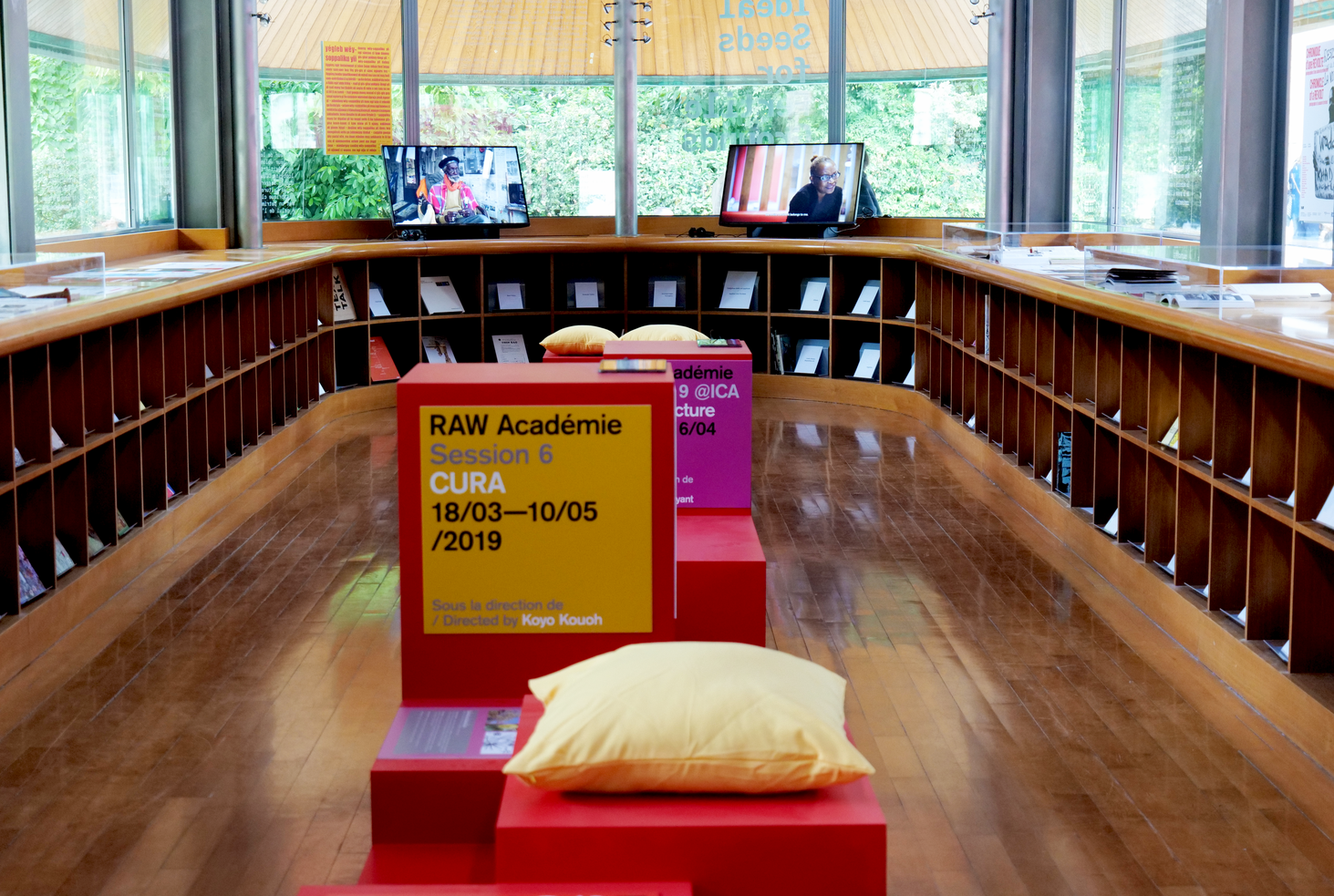
Inspired by An Ideal Syllabus (1998) by Jerry Saltz, this inaugural publication set out to map an array of critical and indispensable influences that shape artistic practice. Gathering recommendations from a constellation of artists, critics, photographers, and writers, An Ideal Library offers a collection of pertinent materials intended to anchor the foundation of RAW’s new library. Today, it reinforces our commitment to sustaining pedagogy through the open circulation of ideas. From this lineage of thinking, we present Ideal Seeds for Fertile Grounds, a compilation of core tenets that we use to shape learning today. Realised through plants, a guidebook, and a library installation created with the faculty and fellows of our eleven Académies, the project builds on the methodology and intentions articulated by Saltz and Kouoh.
Demonstrated through our outputs, we understand RAW as fertile ground for the circulation of knowledge/ideas. Some arrive fully formed, others in fragments, and many are shaped through encounters within our programmes and community. What takes place in our space often strengthens or redirects these seeds, with their trajectories extending into other geographies, spaces, and conversations. RAW is not a final destination for knowledge; it creates conditions that support its refinement and onward movement. We see this mirrored in nature through the processes of seeding, cultivating arable land, and foraging. These cycles offer a clear structure for articulating our ethos and deepen RAW’s inquiry into how ideas circulate, take root, and grow.
In this space, each seed or plant embodies the essential aspects of our methodology. These principles point to the environments that allow ideas to emerge, the forms of care they require, and the ecosystems in which they thrive; fertile ground. Alongside this, we shape the routes of the library through which knowledge moves once formed. Each route corresponds to the function of a particular plant, offering a way to navigate the library that prioritises engagement rather than passive consumption. To concretise these routes, we will use the conceptual framework constructed by Koyo and the curatorial team:
-
The throng, the convocation, the invocation - What are the movements and friction that ignite the creation of rituals and procession such as carnival etc? How do these moments of communion transcend territorial and spiritual boundaries?
-
Enchantment - Touch, taste, smell, hear, and see treated as parallel modes of understanding to critical thought. This route asks what kinds of worlds are built when we trust embodied experience and affect, and what these worlds make possible alongside the cerebral.
-
Seeding - Modes of learning that create space for hybrid spaces that foster pedagogy through care and criticality? What foundations are necessary to build the schools we need to build the worlds we desire?
-
Bountiful Rest - In a world that is constantly moving, how can we take moments of rest? Who is rest available to?
-
Archipelagic thought - Just as archipelagos are composed of distinct islands connected by shared currents, we understand knowledge as dispersed, relational, and sustained through movement rather than centralisation. Ideas do not originate from a single source, nor do they grow toward a unified outcome. They travel, land unevenly, and take root according to local conditions. If we topple ideas of hierarchy on its head, what improvisations are available to us as a collective?
-
Document - What bodies of knowledge/publication lead us to histories that transform how history has historically been disseminated? What bodies of knowledge illuminate realities that are left out of timelines of history that we are fed?
-
Shrine - An homage to Issa Samb, a critical pillar to the existence of RAW Material Company.
The selected notes of Issa Samb for Ideal Seeds for Fertile Grounds engage with the central themes developed in In Minor Keys by Koyo Kouoh, on the occasion of the 61st edition of the Venice Biennale. This immersive work draws on Samb’s writings, combining poetry, statements, and communications, which reflect both his philosophy and that of his collective, conceived as a school of thought. It moves across various documents, artistic forms, and communities, while critically examining the role of institutions and government through key figures.
Presented without a specific order, these notes bring together Samb’s writings and reflections over time. They address questions of politics, governance, critical thought, artistic expression, and the transmission of knowledge. They can be understood as seeds that nourish and shape RAW as a center for art, knowledge, and society.
Understanding these routes matters because it clarifies the responsibilities we hold not only in generating knowledge, but in enabling its movement, transformation, and application elsewhere. Through this mapping, we invite visitors to consider the library as a living site of pedagogy, one that reflects RAW’s commitment to creating conditions where knowledge can emerge, circulate, and take on new forms.
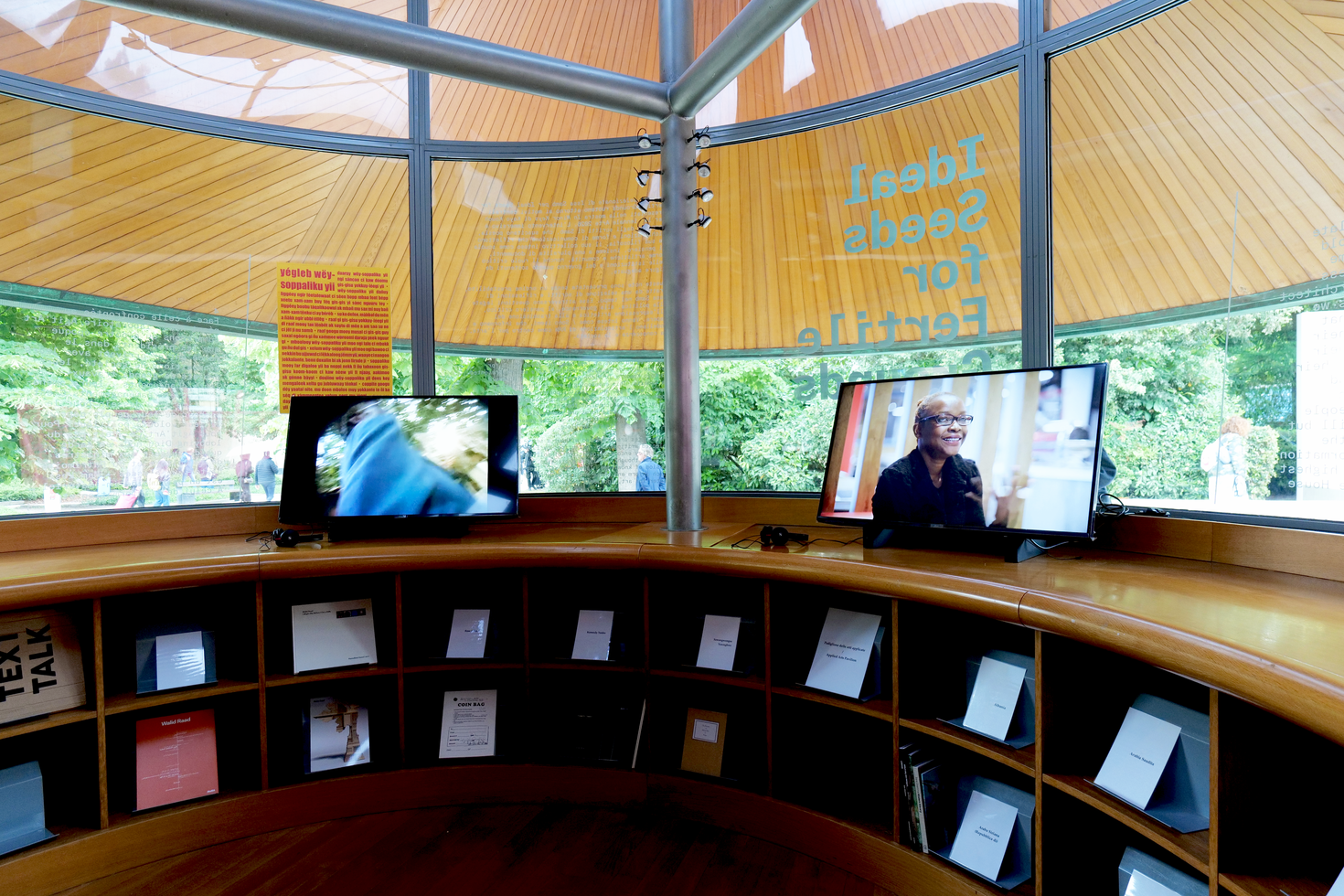
Echoing these reflections, If Trees Could Talk, a film by Maître Bara Diokhané, offers a rare and intimate glimpse into the life and practice of Issa Samb, also known as Jo(e) Ouakam. Filmed largely within his Dakar compound—transformed into a constantly evolving living installation—the work captures the spirit of a space that functioned as both a site of creation and a gathering point for a wider artistic community. As this environment faced the threat of destruction during the final year of his life, the film becomes both a document and a testimony, preserving the memory of a place, a practice, and a collective energy that have since disappeared.
In resonance with these film an excerpt of, Vibrancy of Silence: A Discussion with My Sisters*, a documentary by Marthe Djilo Kamga, extends this reflection through a series of intimate and thought-provoking conversations with four other Cameroonian women artists. Sharing experiences of exile, they reflect on the necessity of transmitting knowledge to younger generations, shaped by the evolution and intertwining of their multiple identities. The original score, accompanying the voices of three generations of women, becomes an integral part of the work, acting as a living archive and a witness for the future. The film unfolds around key themes such as cultural heritage, historical memory, and the ways in which images shape both individual and collective imaginaries. The chosen excerpt from Koyo Kouoh’s reflections on institution-building as a curatorial practice resonates with the establishment of RAW in Dakar, which holds space for sisterhood and nurtures artistic practices.
*The version on view in Ideal Seeds for Fertile Grounds is a portion of a full length with the other remarkable women present and contributing to a full body of work and documentation featuring Marthe Djilo Kamga, Friedda Kotto, Koyo Kouoh, Zalan N’gono, and Marie Sabal-Leeco (Ajomo). This configuration of the film is screened solely within the Biennale Arte 2026 context.
-------
RAW is built around people as its primary infra-structure, and follows Koyo Kouoh's approach to institution-building as a curatorial practice of its own. Ideal Seeds for Fertile Grounds was realized in collaboration with filmmakers Bara Diokhane, Dr. Marthe Djilo Kamga, Prof. Frieda Ekotto, the Botanical Laboratory of Cheikh Anta Diop University in Dakar, Prof. Mathieu Gueye, Dr. Paterne Arnaud Bernard Mingou, Diane Umutoni, Rasmus Koch Studio. This collective proposition highlights an approach in which long-term relationships with art practitioners, thinkers and sister institutions support pedagogy through open circulation of ideas.